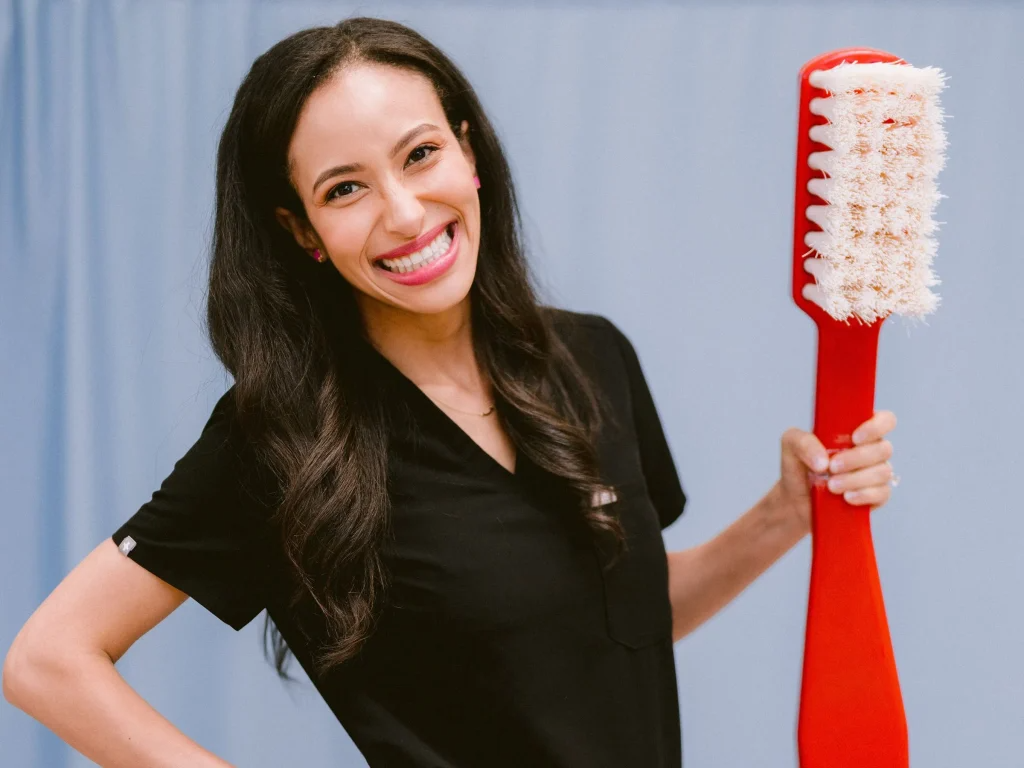
Choosing the best toothbrush for kids can feel surprisingly complicated. There are manual brushes, electric options, different head sizes, bristle types, timers, characters, and countless product claims. But parents do not need the most expensive or advanced toothbrush to support good oral hygiene.
The right children’s toothbrush should fit your child’s mouth, feel comfortable in their hand, and make daily brushing easier. Age, bristle softness, brush-head size, and your child’s ability to brush all matter. The goal is simple: make brushing comfortable, thorough, and consistent.
Choose The Right Toothbrush Size
Before choosing special features, start with the basic fit. A toothbrush that is too large can make it harder for a child to reach all areas of the mouth.
Match The Head To Your Child
Look for a small brush head designed for children. It should be easy to move around the front teeth, back teeth, and other hard-to-reach areas without making your child feel uncomfortable.
A child-sized head is especially important for toddlers and younger children because their mouths are smaller. An adult-sized toothbrush may feel bulky and make careful brushing more difficult.
Look For A Comfortable Handle
The handle should be easy for your child to hold without slipping. A thicker, textured handle can help younger children control the brush.
Remember that young children are still developing the hand skills needed for effective brushing. Even when they want to brush independently, parents may still need to help or supervise.
Pick Soft Bristles For Kids
Bristle softness is one of the most important features to check when shopping for a soft-bristle toothbrush for children.
Why Soft Bristles Matter
The American Dental Association recommends using a soft-bristled toothbrush because it can effectively clean teeth while helping reduce the risk of gum injury.
Children also tend to use more pressure when learning to brush. A soft-bristle brush provides a gentler option while they develop better brushing habits.
Check The Bristle Condition
Look at the bristles regularly. If they become bent, flattened, or frayed, it is time for a new brush even if the child has not had it for very long.
Worn bristles become less effective at cleaning. The ADA recommends replacing toothbrushes approximately every three to four months, or sooner when the bristles become visibly worn.
Electric Vs. Manual Toothbrushes
One of the biggest decisions parents face is whether to choose a manual or powered toothbrush. The good news is that both can work well when used properly.
When Manual Works Well
A manual toothbrush is simple, affordable, portable, and does not require batteries or charging. It can be an excellent choice for a child who already enjoys brushing and can use the brush effectively with parental guidance.
For families traveling or keeping brushing supplies at school or daycare, a manual brush is also convenient.
When Electric May Help
An electric toothbrush can be helpful for children who rush through brushing, have difficulty making consistent brushing movements, or enjoy the added motivation of a timer.
A timer can help children understand what two minutes of brushing actually feels like. Some children also become more interested in brushing when they can choose a fun design or use a simple powered brush.
However, an electric toothbrush is not automatically better. Real-world parent experiences commonly emphasize comfort, small brush heads, soft bristles, easy handling, and features that actually encourage consistent brushing.
Match The Brush To Age
The best toothbrush for kids changes as children grow. Age is useful, but mouth size, coordination, comfort, and brushing ability should also guide your choice.
Babies And Toddlers
Choose a very small head with soft bristles and an easy-to-hold handle. Parents should do most of the brushing for very young children while gradually teaching them how to participate.
The ADA recommends beginning to brush as soon as the first tooth appears and using a child-sized toothbrush with soft bristles.
School-Age Children
School-age children can usually take a larger role in brushing, but parents should continue checking their technique and making sure all areas are cleaned.
Letting your child choose the color or design can also make the toothbrush feel more personal and enjoyable.
Older Kids
Older children may prefer an electric toothbrush, particularly if a timer helps them stay on track. Others may prefer a manual brush because it feels more natural.
The best choice is the one your child can use comfortably and correctly.
Look Beyond The Packaging
Bright colors and favorite characters can make a toothbrush appealing, but appearance should not be the only deciding factor.
Look first for soft bristles, an appropriately sized head, a comfortable handle, and a design your child can control.
Parents may also consider the ADA Seal of Acceptance when comparing products. The ADA explains that products carrying the Seal have been evaluated for safety and effectiveness against established requirements.
Features such as timers, pressure feedback, replaceable heads, or different brushing modes can be useful, but they should solve a real problem. A child does not need extra technology simply because it is included in the packaging.
Keep Toothbrushes Clean
A good toothbrush also needs proper care between brushing sessions. After brushing, rinse the bristles with water and store the brush upright where it can air-dry.
Avoid keeping a wet toothbrush permanently covered in a closed container. Children should also have their own toothbrush rather than sharing one with siblings.
Know When To Replace It
As a general rule, replace a child’s toothbrush every three to four months. Replace it sooner if the bristles become frayed, flattened, or damaged.
For electric toothbrushes, remember that the brush head also needs regular replacement according to its condition and the manufacturer’s instructions.
Make Brushing Easier
Even the best toothbrush for kids cannot help much if a child refuses to use it.
Make brushing predictable by keeping it connected to the same morning and bedtime routines. Parents can also:
- Let children choose between two appropriate toothbrushes
- Brush together so your child can copy you
- Use a two-minute song or timer
- Let the child brush first, then have the parent finish
- Praise effort instead of demanding perfection
- Keep the routine calm and consistent
Dr. Franklin can help parents identify practical ways to make brushing more manageable when a child struggles with consistency or independence.
A simple routine often works better than turning brushing into a daily argument. The goal is to build a habit that your child can maintain as they grow.
Know When To Ask Your Dentist
If your child frequently complains that brushing hurts, cannot comfortably use the toothbrush, or continues to struggle with cleaning certain areas, bring the concern to their dental visit.
A pediatric dental team can look at your child’s teeth, gums, brushing habits, and overall needs before suggesting changes. Dr. Franklin can also guide parents toward an age-appropriate approach rather than assuming every child needs the same type of toothbrush.
Regular dental visits provide another opportunity to review brushing techniques and identify areas that may need extra attention. A routine children’s dental checkup can complement what you do at home.
Choose The Best Fit
There is no single toothbrush that is perfect for every child. For most families, the best starting point is a child-sized toothbrush with soft bristles that feels comfortable and is easy to control.
Manual and electric toothbrushes can both be effective. If an electric brush makes brushing easier or keeps a child engaged, it may be a useful choice. If a manual brush is comfortable and your child uses it consistently, there is no need to switch simply for the sake of having an electric model.
If your child has difficulty maintaining good brushing habits, preventive dental care can provide another layer of support alongside daily brushing.
Why Choose Redwood Pediatric Dentistry?
Redwood Pediatric Dentistry focuses on helping children develop healthy dental habits in a comfortable, age-appropriate way. Parents can receive practical guidance about brushing, preventive care, and everyday oral hygiene while their child’s changing dental needs are monitored over time. Dr. Franklin helps families understand what works for their individual child.
FAQs
What type of toothbrush is best for kids?
The best toothbrush for kids should have soft bristles, a small head, and a comfortable handle that fits the child’s age and mouth. Both manual and powered toothbrushes can work effectively when used correctly.
Is an electric toothbrush better for children?
An electric toothbrush is not automatically better for every child. It may help children who rush, struggle with brushing movements, or enjoy a built-in timer, while a manual brush can work equally well with proper technique.
What bristles should a child’s toothbrush have?
A child’s toothbrush should have soft bristles. Soft bristles can clean teeth effectively while being gentler on the gums, making them a practical choice for young children who are still learning proper brushing pressure.
How often should I replace my child’s toothbrush?
Replace your child’s toothbrush about every three to four months, or sooner if the bristles become bent, flattened, or frayed. Worn bristles are less effective at cleaning teeth and should not be kept in use.
Can toddlers use electric toothbrushes?
Some electric toothbrushes are designed specifically for young children, but age recommendations vary by product. Choose an age-appropriate model with a small head and gentle bristles, and follow the manufacturer’s guidance.