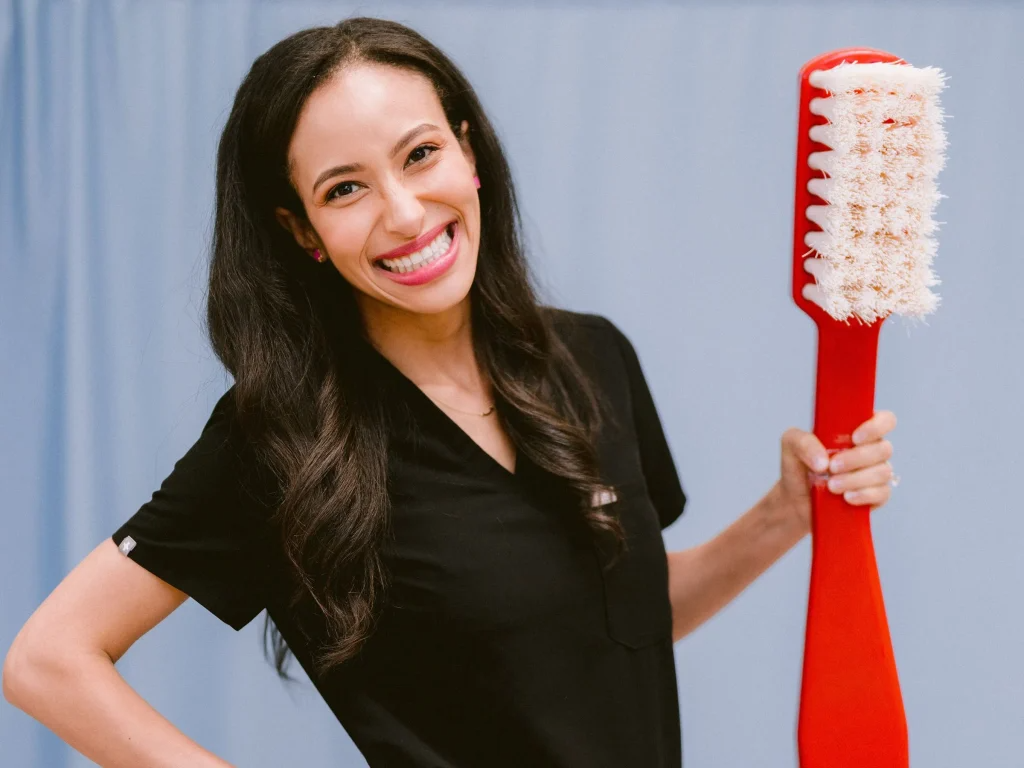
Getting a child to brush their teeth can sometimes feel harder than it should. One night they cooperate, and the next night they refuse, run away, or insist they can do it themselves. The goal of dental routines for kids is not to make every brushing session perfect. It is to make oral care predictable enough that children know what comes next.
A good routine combines brushing, healthy food and drink choices, parent guidance, and regular dental visits. With the right approach, parents can turn brushing from a daily argument into a familiar part of family life.
Dental Routines For Kids: Why Consistency Matters
Children often respond better when daily activities happen in a familiar order. When brushing always follows breakfast or happens before the bedtime story, it becomes easier for a child to understand that it is simply part of the day.
The American Academy of Pediatric Dentistry recommends brushing children’s teeth twice a day with fluoride toothpaste. Young children also need adult help and supervision while they learn to brush effectively.
Consistency also matters because healthy teeth depend on what happens repeatedly, not just occasionally. Skipping one brushing session does not mean you have failed. Simply return to the normal routine at the next opportunity.
Kids Brushing Schedule: Build A Simple Pattern
A kids brushing schedule does not need to be complicated. A simple morning and evening pattern can make oral care easier to remember.
Morning Brushing Routine
After breakfast, guide your child to the bathroom, brush together, and then move on to getting dressed or starting the day.
Keeping brushing connected to an activity that already happens every morning removes the need to repeatedly ask, “Did you brush your teeth?”
Bedtime Brushing Routine
At night, make brushing one of the final steps before a story and bed. The American Academy of Pediatrics recommends a predictable “Brush, Book, Bed” routine because familiar sequences can make bedtime easier for children.
For younger children, parents should do most of the brushing. As children become more capable, they can take a larger role while parents continue checking their work.
How To Make Brushing A Habit
The best way to build a habit is to make brushing predictable, simple, and positive. Children do not need a complicated reward system. They need clear expectations and repeated practice.
Brush Together
Children learn by watching adults. Brushing your own teeth while your child brushes creates a simple example they can follow.
You can even make it a family activity. This makes brushing feel less like a task that adults force on children and more like something everyone does.
Give Simple Choices
Children often resist when they feel they have no control. Give two choices that both lead to brushing.
For example, ask, “Do you want the blue toothbrush or the green one?” or “Do you want to brush before your pajamas or after?”
The important part is that the choices do not remove brushing from the routine.
Use A Timer Or Song
A short song, timer, or visual chart can help children understand when brushing starts and ends. If your child enjoys music, choose one familiar song and use it consistently.
The goal is not entertainment for its own sake. It is to give the child a clear signal that brushing has begun and when it is finished.
Oral Hygiene Motivation: When Kids Resist
Even a well-planned routine can meet resistance. A toddler may be tired, a preschooler may want to keep playing, or a child may dislike the taste or feel of toothpaste.
Instead of turning the situation into a long argument, use a predictable sequence:
Give a warning → Offer a choice → Brush together → Praise the effort
For example, say, “Two more minutes of play, then teeth.” When the time comes, offer a small choice and calmly begin the routine.
If your child strongly dislikes brushing, experiment with a different soft children’s toothbrush, a different toothpaste flavor, or a quieter bathroom environment.
Some parents report that singing or allowing a child to practice on the parent’s teeth first can reduce resistance. The important goal is to keep brushing part of the routine rather than abandoning it whenever a child objects.
Parent Tips For Children’s Oral Hygiene
Parental involvement should change as children grow. Independence is valuable, but being able to hold a toothbrush does not always mean a child can clean every area well.
Let Them Try First
A useful approach is “child first, parent second.” Let your child brush independently for a short period, then have the parent finish the job.
This gives children a sense of control while still providing the help they need.
For younger children, parents should apply the toothpaste and supervise brushing. The American Academy of Pediatrics advises parents to assist young children with brushing and continue supervision as their skills develop.
Know When To Help
If your child regularly rushes, misses areas, or treats brushing like a quick game, step in without making it a punishment.
You can say, “Great job starting. Now it is my turn to help clean the spots you missed.”
For children who need additional support, a pediatric dental team can also suggest practical ways to make daily care easier.Pediatric Dental Exams and Cleanings can help parents understand what their child needs as their teeth develop.
Prevent Cavities At Home: Beyond Brushing
Brushing is important, but daily habits involve more than a toothbrush.
Offer water regularly and avoid making sugary drinks or frequent sweet snacks an everyday habit. Frequent exposure to sugar can increase the chance of tooth problems, so what children eat and drink between meals matters too.
Parents should also make regular dental visits part of the family calendar. Professional preventive care can identify concerns before they become larger problems.
If your child already has a cavity, professional care may be needed rather than relying on home brushing alone. Services such as cavity care for children can address problems that daily brushing cannot reverse.
For children who benefit from additional protection, a dental team may also recommend options such as fluoride care for kids based on individual needs.
Better Routines For Different Kids
Every child responds differently, so the same routine may not work for every family.
A toddler who refuses brushing may benefit from a song, simple choices, and parent-assisted brushing. A preschooler who wants independence may prefer brushing first and having a parent finish. A school-age child who rushes may need a timer and a quick parent check.
Children with sensory sensitivities may need adjustments to the toothbrush, toothpaste, timing, or environment. If brushing remains consistently difficult, discuss the problem with your child’s dental team rather than allowing the routine to disappear.
Dr. Franklin can help parents look at their child’s daily habits and identify practical ways to make oral care more manageable. Her guidance can help families focus on consistent routines rather than expecting children to master everything immediately.
Remember that progress does not require perfection. If a child misses a brushing session, simply restart at the next one.
Dental Routine FAQs For Parents
These questions address common problems parents face when trying to establish consistent dental habits.
How Often Should Kids Brush Their Teeth?
Children should generally brush twice each day with fluoride toothpaste. Parents should help or supervise young children to make sure teeth are cleaned properly and the right amount of toothpaste is used.
How Can I Get My Child To Brush Without A Fight?
Use a predictable schedule, give two simple choices, and keep your instructions short. Brushing together, using a song, and praising cooperation can make the routine feel less like a battle.
Should Parents Brush Their Child’s Teeth?
Young children usually need an adult to help or finish brushing because they are still developing the coordination needed to clean every area. Let them practice, then check and finish as needed.
What If My Child Misses A Brushing Session?
Do not turn one missed session into a bigger problem. Return to the normal routine at the next brushing time. Consistent habits over time are more important than being perfect every day.
How Can I Make Brushing More Fun?
Try a favorite song, a short timer, a colorful toothbrush, or brushing together. Let your child make small choices while keeping brushing itself non-negotiable.
Why Choose Redwood Pediatric Dentistry?
For families looking for guidance on children’s dental routines, Redwood Pediatric Dentistry focuses on helping parents understand practical ways to support healthy teeth. Dr. Franklin can help families identify age-appropriate habits and make dental care easier to maintain at home. Regular guidance and preventive care can help children build habits that last.
A successful routine does not need to be complicated. Start with twice-daily brushing, make the sequence predictable, let your child participate, and step in when help is needed. Pair these habits with sensible food and drink choices and regular dental care. Small, repeated actions can make a meaningful difference in your child’s oral health.