
We believe every child deserves compassionate care tailored to their unique needs. Our treatment approach focuses on prevention first, minimally invasive solutions whenever possible, and creating positive dental experiences that help children feel confident about their oral health.
Whether your child needs a routine cleaning, cavity treatment, emergency care, or specialized support, our team provides gentle care using modern technology and a child-centered approach.
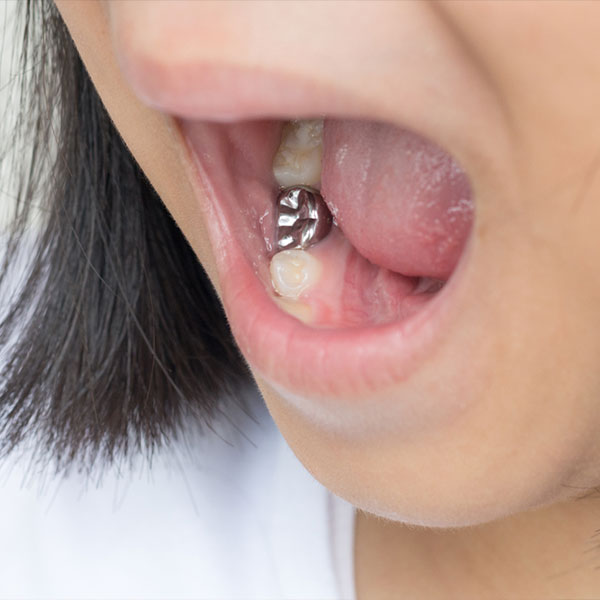
Pediatric dental crowns are made for primary or baby teeth. They’re usually made of stainless steel as the crown will only be needed until the baby tooth falls out naturally. Pediatric crowns protect and restore baby teeth that are too damaged or decayed to treat with a filling. By saving the decayed baby tooth, we can maintain the pathway for the adult tooth and create a healthier smile for your child.
We offer three types of crowns!
– Stainless Steel Crowns (Posterior only)
– Zirconia White Crowns (Anterior and Posterior)
– Hall Crowns (Stainless Steel Crowns with no anesthetic or drilling, Posterior only)
FUN FACT!
Your child’s second molars erupt between
the ages of 2 and 3.
Stainless steel crowns are great for restoring damaged or decayed baby teeth. These crowns are made of a durable and biocompatible material, making them an ideal choice for children’s primary teeth. The stainless steel material is strong enough to withstand the biting and chewing pressure of everyday use and will last until the baby tooth naturally falls out. By restoring the damaged tooth with a stainless steel crown, we can maintain the proper pathway for the adult tooth to come in, promoting a healthy and beautiful smile for your child. Additionally, the crowns are cost-effective and can be placed quickly and easily, reducing the time your child needs to spend in the dental chair. Overall, stainless steel crowns provide a reliable and long-lasting solution for restoring damaged baby teeth.
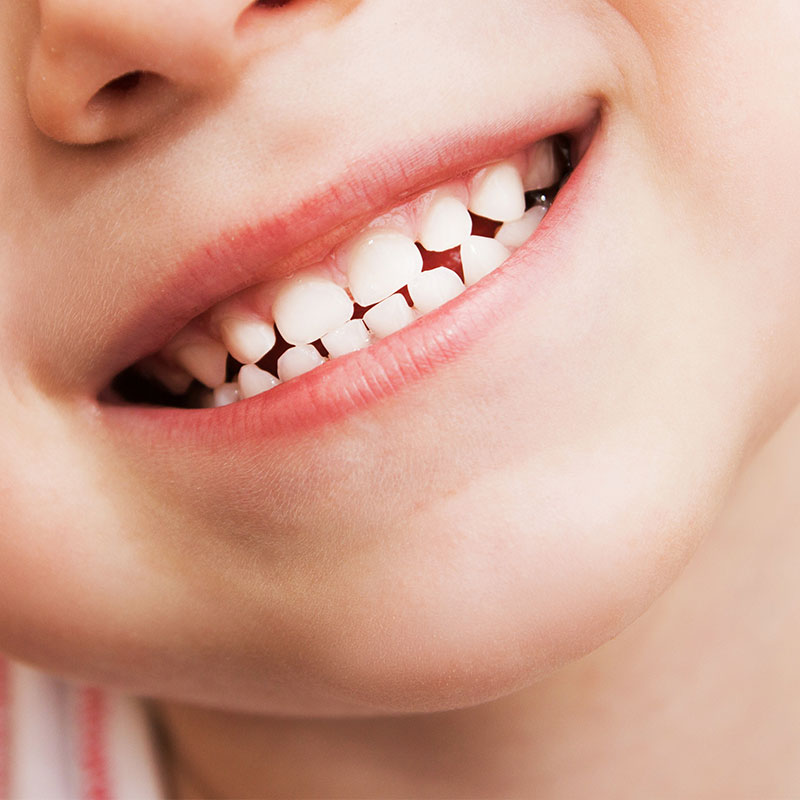
Pediatric dental crowns have historically been limited to stainless steel, leaving your child with silver teeth that may make them feel self-conscious about their smiles. White Zirconia Crowns offer the same protection as stainless steel crowns, but they are white, matching the color of your child’s natural teeth. Similarly to traditional stainless steel, these white crowns help seal a tooth after it has been damaged or broken. This option just leaves little patients with a seamless, confident smile. After your Dr. Franklin determines which option is best for them, they will proceed in the same way, cleaning and preparing the tooth, and then choosing a pre-fitted dental crown to be placed directly over the damaged tooth structure to cover and protect it.
A white, faster crown. Between Zirconia and Stainless Steel Crowns
FUN FACT!
1 in 5 children between the age of 5 and 11 have at least one untreated decayed tooth.
We are thrilled to offer Hall Crowns as an option for restoring damaged baby teeth. Hall Crowns are a type of stainless steel crown that are unique in that they require no anesthetic or drilling, making them a great choice for children who are anxious about dental procedures. The crowns are designed to fit snugly over the damaged tooth, providing a strong and durable layer of protection. With Hall Crowns, your child can avoid the discomfort and anxiety that can come with traditional crown placement. There is just a little pressure from the placement of the crown and the glue that squishes out. This makes HALL crowns an excellent option for children who are prone to dental anxiety or have a strong aversion to being numb and/or drilling. By preserving the damaged tooth and promoting a healthy smile, Hall Crowns offer a safe and effective solution for restoring your child’s tooth.
FUN FACT!
Pediatric dental crowns are usually made of stainless steel or zirconia
Glass ionomer fillings are a type of dental filling made from a mixture of acrylic and glass powders. They bond well to the tooth and release fluoride to help prevent future cavities. Glass ionomer fillings are a popular option for children because they are safe for use in the mouth, and their tooth-like color makes them an aesthetically pleasing option while reducing the risk of recurrent decay. They also have a unique ability to chemically bond to the tooth structure and reducing sensitivity when filling a large hole in the tooth. In summary, glass ionomer fillings are a safe, durable, and
aesthetically pleasing option for children’s dental fillings.

If your child loses a baby tooth before they’re supposed to, Dr. Franklin may recommend a “space maintainer.” This dental prosthetic fits in the gap where the tooth used to be, preventing the other teeth from shifting and ensuring your child’s permanent or adult tooth erupts properly.
Frenectomies are used to treat Tethered Oral Tissues (TOTs) such as tongue ties and lip ties. TOTs occur when the “frenulum,” a band of connective tissue, is overdeveloped and impairs the natural movement of the lips, tongue, or both. During a frenectomy procedure, this band of tissue is released in order to restore your child’s ability to move their lips or tongue properly.
The pulp is the soft tissue in the center of the tooth that contains nerves and blood vessels. A pulpotomy is necessary when the pulp of a primary tooth becomes infected, typically as a result of a deep cavity or injury. The goal of the pulpotomy is to remove the infected pulp while preserving the healthy portion of the tooth. This helps to save the tooth and prevent the need for extraction, which can cause problems with spacing and alignment of the permanent teeth. After a pulpotomy, Dr. Franklin will typically place a protective, bioactive material over the remaining pulp and place a crown over the treated tooth to restore function and prevent further decay.